
Wisdom Teeth Explained: Pain, Removal, Risks and Aftercare
- Dr. Kenneth Yung
- 25 May, 2021
- 07 Mins read
Wisdom Teeth Explained: Pain, Removal, Risks and Aftercare
Wisdom tooth pain has a reputation for arriving at the worst possible time. It can make eating difficult, disturb sleep and, when infection develops, cause swelling or even make it hard to open the mouth.
In a two-part radio interview on Healthcare Reimagined(《醫護重新出發》), registered dentist Dr. Kenneth Yung joined hosts Yeung Tsz-king and Jackie Kwan to separate common wisdom tooth myths from facts. Their discussion covered why wisdom teeth develop, when removal is necessary, how to prepare for extraction and the treatment options available when a tooth lies close to a nerve.
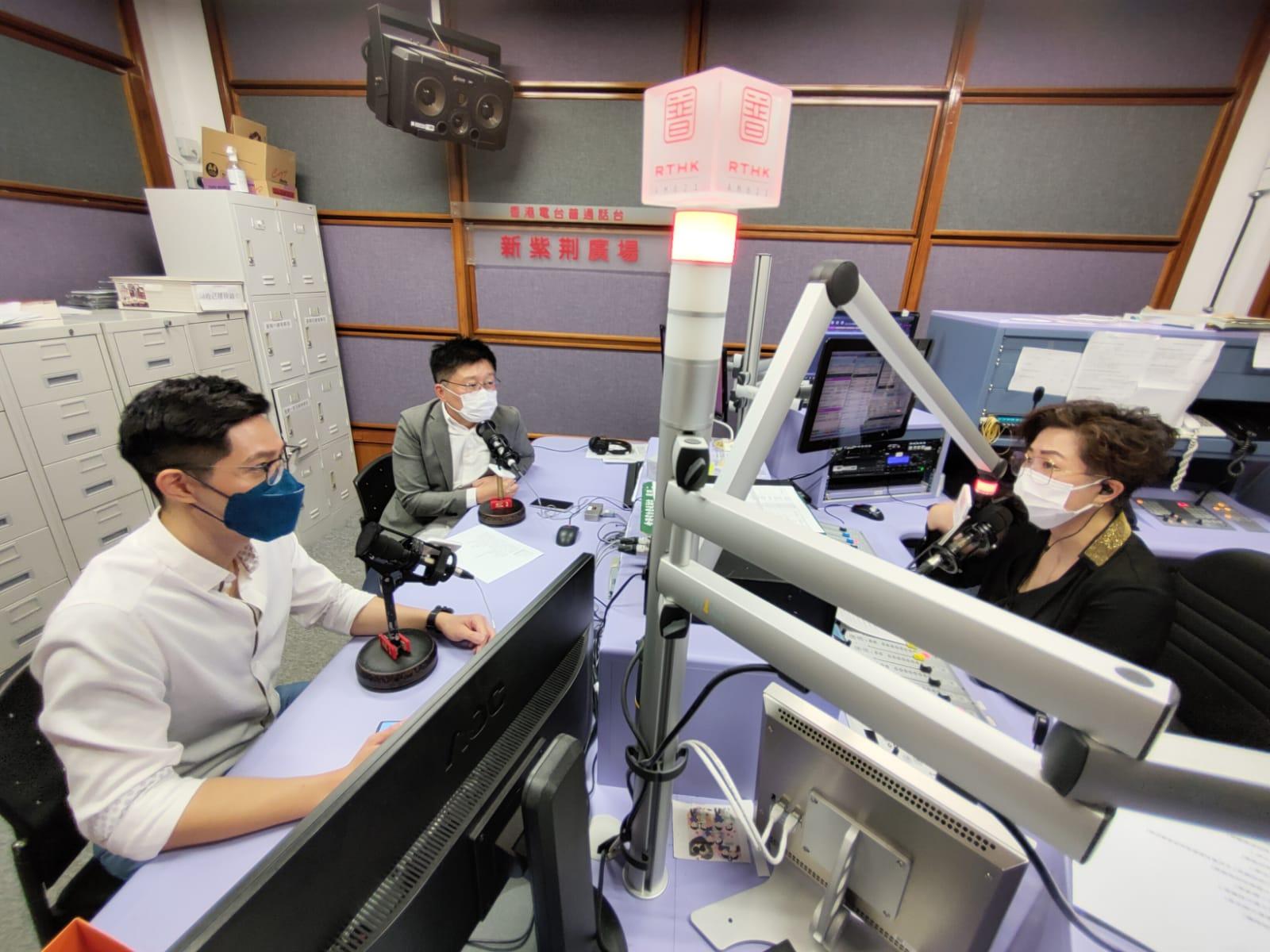
This article summarises general information from the interview. A dentist must examine your mouth and X-rays before recommending treatment for an individual wisdom tooth.
What Is a Wisdom Tooth?
A wisdom tooth is the third and final molar at the back of the mouth. It usually erupts between the ages of 17 and 25—an age historically associated with reaching adulthood and gaining “wisdom”. The name has nothing to do with a person’s intelligence.
A full adult dentition can contain 32 teeth, including four wisdom teeth, but not everyone has all four. Some people develop fewer, while others have wisdom teeth that remain hidden beneath the gum or completely enclosed within the jawbone.
Humans once needed larger jaws and more chewing power for a tougher diet. As food preparation changed and human jaws gradually became smaller, there was often less room for the last molars to erupt. This is why wisdom teeth may become impacted, grow at an angle or emerge only partially.
Does Every Wisdom Tooth Need to Be Removed?
No. The right approach depends on the tooth’s position, health and effect on the surrounding tissues.
A wisdom tooth may be kept when it:
- has fully erupted in a healthy position;
- can be brushed and flossed effectively;
- is not causing pain, decay, gum disease or damage to the adjacent molar; and
- can be reviewed during routine dental examinations.
A wisdom tooth that is completely buried in bone and shows no disease may also be monitored rather than removed. The dentist may recommend periodic X-rays to check for changes such as decay, damage to a neighbouring tooth or, less commonly, cystic change.
Removal is more likely to be recommended when the tooth:
- repeatedly causes pain, swelling or infection;
- is partially erupted and traps food beneath a flap of gum;
- has decay or gum disease that cannot be treated predictably;
- is difficult or impossible to keep clean;
- damages, or puts the health of, the second molar at risk; or
- is associated with another abnormal change seen clinically or on an X-ray.
“If a poorly positioned wisdom tooth cannot be cleaned, it may affect not only itself but also the important molar in front of it,” Dr. Yung explained.
Why Do Wisdom Teeth Hurt?
One of the most common causes is pericoronitis—inflammation of the gum around a partially erupted wisdom tooth. Food and bacteria can collect in the space between the tooth and the overlying gum, an area that is often difficult to reach with a toothbrush.
Inflammation may flare when a person is tired, stressed or generally unwell. An upper wisdom tooth can also repeatedly bite the swollen gum over a lower tooth, making the irritation worse. Other possible causes include tooth decay, gum disease or an abscess.
Arrange a dental assessment if wisdom tooth pain persists or returns. Seek prompt care if you develop:
- increasing facial or gum swelling;
- fever or feel generally unwell;
- pus or a persistent unpleasant taste;
- difficulty opening your mouth, swallowing or breathing; or
- pain that is severe or not controlled by usual pain relief.
Difficulty breathing or swallowing with spreading swelling requires urgent medical attention.
Why Is an X-ray Important?
An examination shows the visible part of the tooth, while an X-ray helps the dentist assess what lies beneath the gum. It can reveal the direction of eruption, the shape of the roots, damage to the neighbouring molar and how close the tooth is to important structures such as the maxillary sinus or nerves in the lower jaw.
Dental X-rays use a low radiation dose and are taken only when clinically justified. The findings help the dentist compare the benefits of monitoring, full extraction or another treatment.
Preparing for Wisdom Tooth Removal
Dr. Yung shared several practical points for the day of treatment:

- Tell the dentist your complete medical history. Include heart conditions, previous heart procedures, allergies and all medicines or supplements you take—especially anticoagulants or antiplatelet medicines.
- Do not stop prescribed medicine yourself. Your dentist may need to coordinate with your doctor, but any medication change must be professionally directed.
- Keep your mouth clean. Good oral hygiene helps reduce the bacterial load around the surgical area.
- Follow eating and drinking instructions. A normal meal beforehand is often suitable for treatment under local anaesthetic, but sedation or general anaesthesia requires specific fasting instructions from the clinical team.
- Plan for recovery. Arrange transport if sedation will be used and prepare soft foods for the first few days.
Morning appointments may be convenient for some people with long-term medical conditions and leave more time to contact the clinic if a concern develops later that day. However, the safest appointment time is the one recommended after the dentist reviews your health and treatment needs.
Should All Four Wisdom Teeth Be Removed at Once?
There is no single answer for everyone. Treating one side at a time leaves the other side available for chewing during recovery. Removing several teeth in one visit can reduce the number of procedures but may make eating and early recovery more difficult.
The number of teeth treated, the type of anaesthesia and whether procedures should be staged depend on their complexity, the patient’s health and preferences, and the clinician’s assessment. General anaesthesia is not automatically required for removing four wisdom teeth; it is one option considered in appropriate settings alongside local anaesthesia and sedation.
Heart Conditions, Blood-Thinning Medicines and Dental Treatment
Dental procedures can allow oral bacteria to enter the bloodstream temporarily. A small, specific group of patients at highest risk of infective endocarditis may need preventive antibiotics for certain procedures, but most people with heart disease do not need them routinely.
Always tell your dentist if you have a heart valve condition, a replacement valve, a history of infective endocarditis, congenital heart disease, an irregular heartbeat, a coronary stent or any other heart condition. Also disclose blood-thinning medicines, as these can affect treatment planning and bleeding control.
Your dentist and cardiologist or doctor can decide whether any special precautions are needed. Never start antibiotics or stop blood-thinning medication without their advice.
What Are the Risks of Wisdom Tooth Surgery?
Swelling, discomfort, bruising and limited mouth opening are common for a short period after surgery. Other possible complications include bleeding, infection and dry socket. The exact risk varies with the tooth’s position and the individual patient.
Upper wisdom tooth roots may lie close to the maxillary sinus. Lower wisdom teeth may be close to the inferior alveolar nerve, which supplies sensation to the lower teeth, lip and chin, or the lingual nerve, which supplies sensation and taste to part of the tongue. Nerve irritation or injury can cause altered sensation, usually temporary but occasionally persistent.
These possibilities can sound worrying, but serious complications are uncommon. The dentist will use the examination and imaging to explain your personal level of risk before consent.
What Did The University of Hong Kong Research Find?
As mentioned in the interview, University of Hong Kong research found that sensory changes affected fewer than 0.4% of inferior alveolar nerves and fewer than 0.7% of lingual nerves after lower wisdom tooth surgery. Among those affected, around two-thirds of affected patients recovered completely. These are overall study figures; individual risk varies according to the tooth’s position and relationship with the nerves.
Can Coronectomy Reduce Nerve Risk?
When the roots of a lower wisdom tooth are extremely close to the inferior alveolar nerve, a dentist or oral surgeon may consider a coronectomy. Instead of removing the entire tooth, the clinician removes the crown—the part most directly associated with food trapping, decay and gum inflammation—while intentionally leaving healthy roots in place.
This can reduce the chance of disturbing the nerve in carefully selected cases. It is not suitable for every wisdom tooth, particularly when the roots are infected or mobile, and the retained roots require follow-up because they can move or occasionally need later treatment.
Looking After Your Mouth After Extraction
Follow the personalised instructions given by your dental team. General advice commonly includes:
- bite on the gauze as directed to control bleeding;
- avoid smoking or vaping, alcohol and vigorous rinsing during early healing;
- choose soft, nutritious foods and drink enough water;
- clean the rest of your mouth gently while avoiding trauma to the socket;
- take prescribed or recommended medicines exactly as directed; and
- contact the clinic if bleeding does not settle, swelling worsens after the first few days, or you develop fever, pus, severe pain or difficulty swallowing or breathing.
The Best Protection Is Prevention and Regular Review
Wisdom teeth sit at the very back of the mouth, so they are easy to overlook. Dr. Yung’s final advice applies to every tooth: attend regular dental examinations and professional cleaning when advised, brush thoroughly twice a day and clean between the teeth daily with floss or another dentist-recommended tool. Mouthwash can be a useful supplement, but it does not replace effective brushing and interdental cleaning.
If a wisdom tooth is painful, partially erupted or difficult to clean, an early assessment can identify the cause and help protect the neighbouring molar before a small problem becomes an emergency.
Source
Cheung LK, Leung YY, Chow LK, et al. “Incidence of neurosensory deficits and recovery after lower third molar surgery: a prospective clinical study of 4338 cases.” International Journal of Oral and Maxillofacial Surgery. 2010;39(4):320–326. PubMed | DOI