Your Ultimate Guide to Oral Health - A Dentist’s Answers to Your Top Questions
- Dr. Kenneth Yung
- 06 Sep, 2022
- 07 Mins read
From wisdom teeth and teeth whitening to daily brushing techniques, registered dentist Dr. Kenneth Yung breaks down everything you need to know for a healthier, brighter smile.
Navigating the world of dental health can feel overwhelming. With so much conflicting advice online, it’s hard to know what’s fact and what’s fiction. When should you brush your teeth? Do you really need to get your wisdom teeth removed? And what’s the truth about at-home teeth whitening?
To cut through the noise, we sat down with registered dentist Dr. Kenneth Yung. In this comprehensive guide, Dr. Yung addresses the most common questions he hears from patients, providing clear, evidence-based answers to help you take control of your oral health.
Part 1: Mastering Your Daily Oral Hygiene Routine
A solid foundation is key to preventing most dental issues. Dr. Yung emphasizes that consistent, correct daily habits are more effective than any complex treatment down the line.
How often should I brush and floss my teeth?
This is the most fundamental question, and the answer is simple.
- Brushing:
“I personally brush twice a day—once in the morning and once at night,” says Dr. Yung.
He confirms this is the standard recommendation for most people. If your brushing technique is correct, twice a day is sufficient to keep plaque at bay.
- Flossing:
“Flossing is just as important as brushing because it cleans the areas your toothbrush can’t reach,” he explains.
You should aim to floss at least once per day, preferably at night, to remove food particles and plaque from between your teeth.
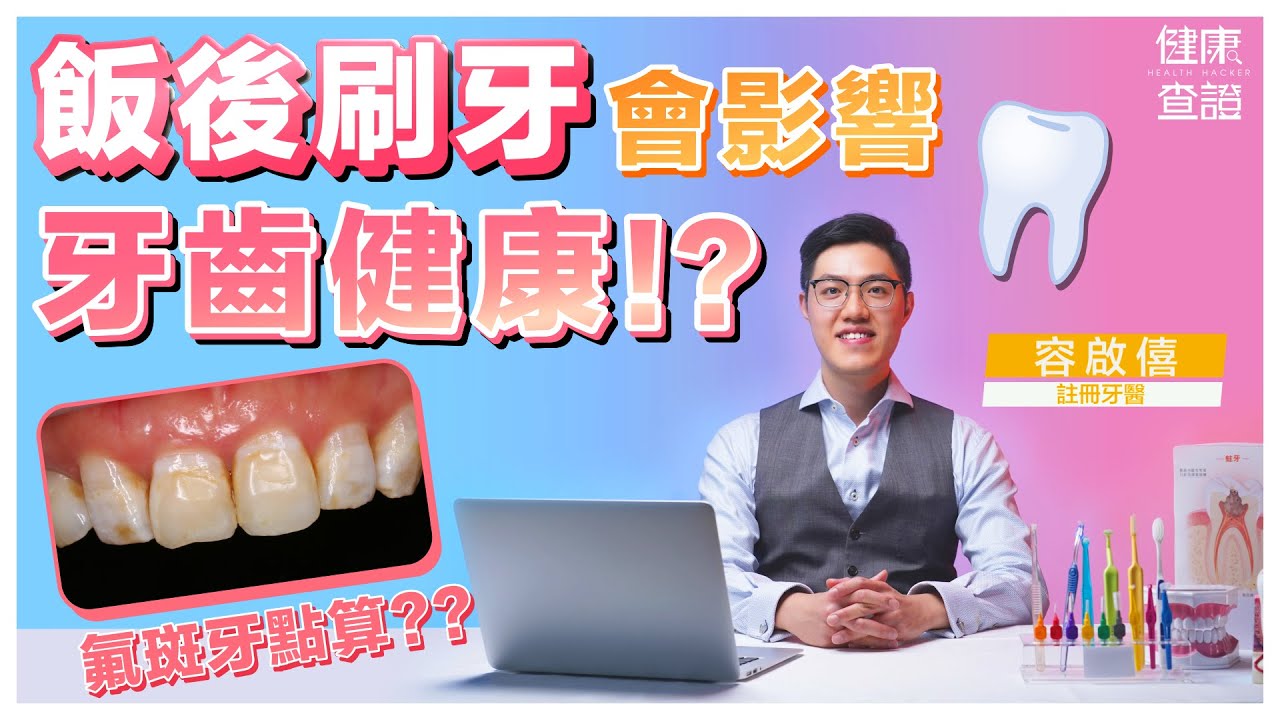
Should I brush my teeth immediately after every meal?
This is a common misconception. While it seems logical to brush away food right after eating, Dr. Yung advises against it.
“After you eat, especially acidic or sugary foods, the environment in your mouth becomes acidic. This acid temporarily softens your tooth enamel,” he warns.
“If you brush immediately, you can actually scrub away the softened enamel and damage your teeth.”
The correct approach:
Rinse your mouth with plain water after eating to neutralize acids and wash away large food particles.
Wait approximately 30 to 45 minutes for your saliva to re-harden your enamel.
- Then, brush your teeth as normal.
The only exception? “If you have braces, you’ll want to clean your teeth more frequently to prevent food from getting trapped around the brackets and wires, which can lead to decay during your treatment,” Dr. Yung adds.
The Correct Brushing Technique to Protect Your Teeth and Gums
Brushing isn’t just about moving a toothbrush around. Technique matters. Dr. Yung demonstrates the most effective method:
Start with the Chewing Surfaces: First, brush the flat, chewing surfaces of your back teeth to remove larger debris.
Angle at 45 Degrees: For the outer and inner surfaces, angle your toothbrush at 45 degrees toward the gumline. This is the most crucial step.
“You need to brush the junction where your white teeth meet your pink gums,” he stresses.
This area, known as the sulcus, is where plaque and bacteria accumulate, leading to gum disease.
Use Gentle, Circular Motions: Brush in small, gentle circles, covering two to three teeth at a time. Brush each section for about 10 strokes.
Be Systematic: Work your way around your entire mouth, from one end to the other, ensuring you cover the outer, inner, and chewing surfaces of every tooth on both the upper and lower jaws. This prevents you from missing any spots.
Flick Away Debris: On the inner surfaces of your front teeth, you can use a gentle, flicking motion to sweep debris away from the gumline.
Part 2: Common Dental Problems & Treatments Explained
Even with great hygiene, issues can arise. Here’s Dr. Yung’s take on some of the most common dental concerns.
Do I Need to Remove My Wisdom Teeth?
Not necessarily. “The decision to remove wisdom teeth is typically made before the age of 30,” says Dr. Yung.
When to Keep Them: If your wisdom teeth have grown in straight, are fully erupted, and you can clean them effectively without difficulty, there is no need to remove them.
When to Extract Them: Extraction is recommended if they are impacted (stuck), growing at an odd angle, causing pain, leading to recurrent infections, or are so far back that they are impossible to keep clean.
“An improperly positioned wisdom tooth can trap food and cause decay or gum disease in the adjacent molar,” Dr. Yung explains. “In these cases, early removal prevents future problems.”
Some wisdom teeth remain completely buried in the jawbone and never erupt. These usually don’t cause problems and can be monitored with regular dental X-rays.
Why Do My Gums Bleed When I Brush?
“Bleeding gums are a sign of inflammation,” states Dr. Yung. “The most common cause is gingivitis or periodontal (gum) disease, which results from plaque buildup along the gumline.”
While gum disease is the primary culprit, he notes that, in rare cases, persistent bleeding could be linked to other systemic health issues. If you notice your gums bleed every time you brush, it’s a clear signal to visit your dentist for a check-up and professional cleaning.
Can I Remove Tartar (Calculus) Myself?
The answer is a definitive no.
“Tartar is essentially plaque that has hardened and calcified on your teeth,” Dr. Yung explains. “It bonds very strongly to the tooth surface.”
Once it forms, it cannot be removed with a toothbrush or floss.
While you may see DIY scaling tools for sale online, using them is extremely dangerous.
“These tools are sharp. If you can scrape off hard tartar, you can just as easily scratch and permanently damage your tooth enamel or injure your gums,” he warns.
Tartar removal should only be done by a dental professional using specialized tools like an ultrasonic scaler.
I Have Jaw Pain (TMD). Should I See a Dentist?
Yes. The jaw joint, or temporomandibular joint (TMJ), is a complex joint, and disorders associated with it (TMD) are common.
Symptoms of TMD include:
- Headaches
- Pain or difficulty when opening your mouth
- A clicking or popping sound in the jaw
- Ear ringing (tinnitus)
- A jaw that deviates to one side upon opening
“The causes are varied,” says Dr. Yung, “including stress, habitual teeth grinding (bruxism), or bite alignment issues.”
A dentist can diagnose the problem and may recommend treatments like medication (anti-inflammatories or muscle relaxants) or a custom-made bite splint. In complex cases, they may refer you to an oral and maxillofacial surgeon.
Part 3: Decoding Cosmetic Dentistry
Everyone wants a beautiful smile. Dr. Yung demystifies some of the most popular cosmetic topics.
What Are These White or Brown Spots on My Teeth?
“If you have mottled white or even brownish spots on your teeth that have been there since they erupted, it’s likely dental fluorosis,” Dr. Yung says.
This occurs when a child consumes excessive fluoride between the ages of 0 and 8, while their permanent teeth are still developing. The fluoride disrupts the formation of the enamel, causing these permanent discolorations.
“Unfortunately, this condition is permanent and cannot be bleached away,” he notes.
The only way to fix it is with cosmetic procedures like composite bonding or porcelain veneers to cover the spots.
The Truth About Teeth Whitening
Teeth whitening (or bleaching) is one of the most requested procedures. Here’s what you need to know.
How It Works: Whitening products use an agent like hydrogen peroxide.
“This agent works through oxidation to break down and lighten stains within the tooth’s enamel,” Dr. Yung explains.
Blue Light Whitening: The blue light used in professional “laser” whitening is a high-energy light that simply accelerates the chemical reaction of the peroxide, delivering faster results.
- Limitations of Whitening:
“This is the most important thing to understand,” Dr. Yung emphasizes.
“Teeth whitening only works on natural tooth enamel.” It will have no effect on:
- Fillings
- Crowns or bridges
- Veneers
- Teeth stained by tetracycline antibiotics
- Discoloration from dental fluorosis
“If you have fillings or crowns on your front teeth and you whiten the surrounding teeth, the dental work will stand out and look darker,” he warns.
Always consult your dentist before starting any whitening treatment to see if you are a suitable candidate. The main side effect is temporary tooth sensitivity, which usually subsides after the treatment is complete.
Final Words of Advice
Protecting your teeth and gums isn’t complicated. Dr. Yung’s final tips are simple yet powerful:
Rinse After Eating: Always rinse your mouth with water after meals and snacks.
Limit Snacking Frequency: It’s not just what you eat, but how often. The more frequently you eat, the more acid attacks your teeth endure. Try to stick to three full meals a day.
Never Skip Professional Check-ups: Visit your dentist regularly for exams and cleanings. They can catch problems early and remove the tartar you can’t.
By combining a consistent daily routine with regular professional care, you can protect your smile for a lifetime.